Leptospirosis was first recognized as a disease in 1883, and was prevalent in sewer workers.
The first description of Leptospirosis was by a man named Adolf Weil in 1886, but its cause was not determined.
This disease is often called Weil's disease/syndrome because of this.
Leptospirosis
Diagnosis/Symptoms
Common symptoms of Leptospirosis can include:
High fever
Headache
Chills
Muscle aches
Vomiting
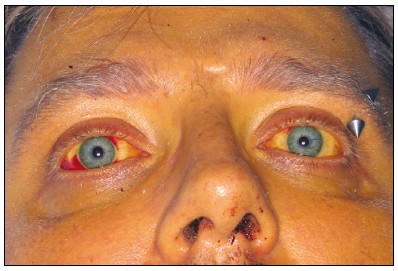
Jaundice (yellow skin and eyes)
Red eyes
Abdominal Pain
Diarrhea
Rash
Incubation Period: 2 days to 4 weeks, illness usually begins with abrupt fever.
AGENT
Leptospira spp.
Bacteria was first observed in 1907 in an analysis of a diseased kidney.
6-20 μm long
Hooked ends, lengthwise flagella
Two Phases
First Phase
fever, chills, headache, muscle aches, vomiting, or diarrhea
The patient may recover for some time, but then become sick again
Second Phase
Kidney failure
Liver failure
Meningitis
Epidemiology
Leptospirosis
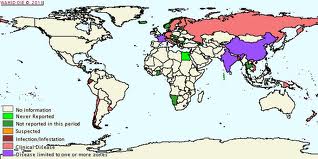
occurs worldwide, but is most common in temperate or tropical climates.
Infection rate: 100 per 100,000 in tropical regions
90% of Leptospirosis cases are mild, however the other 10% can lead to organ failure.
TRANSMISSION/CYCLE
Urine of infected animals
Goes into water, soil, can live for weeks-months
Animals include cattle, pigs, dogs, horses, rodents, etc.
Bacteria enters through skin or mucous membranes, especially cuts
Infected drinking water also causes infection
Outbreaks have been prevalent during floods
Prevention
Avoid swimming and/or contact in water, which may contain infected animal urine.
Protective clothing and footwear must be used if exposed to contaminated water/soil.
The
disease has also been associated with swimming, wading, kayaking, and rafting
in contaminated lakes and rivers. As such, it is a recreational hazard for
campers or those who participate in outdoor sports.
"Leptospirosis." Centers for Disease Control and Prevention. Centers for Disease Control and Prevention, 24 June 2013. Web. 01 July 2013. http://www.cdc.gov/leptospirosis/.